

Gelephu is the bustling heart of the Sarpang District and is currently the most talked-about region in Bhutan. While it has long been a vital trade hub with India, it is now the site of the Gelephu Mindfulness City (GMC) – a visionary “Special Administrative Region” that aims to become a global model for sustainable, mindful living.
Unlike the winding mountain roads of the north, Gelephu is defined by its wide, flat subtropical plains and a warm, tropical breeze. It is one of the warmest places in Bhutan. Winters (November–February) are exceptionally pleasant and dry, making it a popular “winter capital” for Bhutanese people escaping the northern snow with the elevation of approximately 224m(735ft).
Gelephu is highly accessible by air via its domestic airport, which connects directly to Paro and Yonphula. If you are driving, it is a roughly 6-7 hour journey from Thimphu through the scenic mountain passes of Tsirang and Sarpang.
Top Things To See and Do
1. Gelephu Tshachu (Hot Springs)
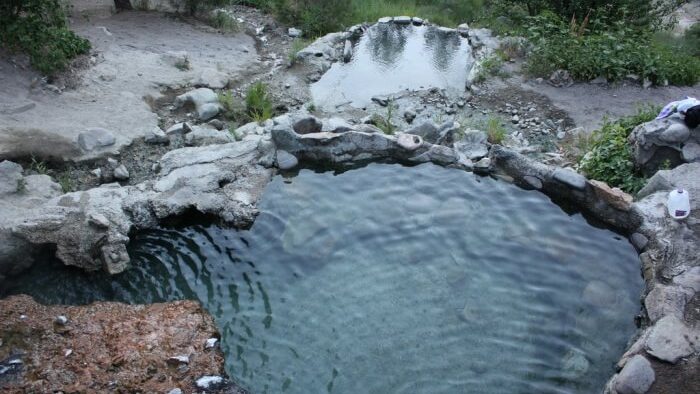
Located about 15km from the town, these are perhaps the most popular hot springs in the country.There are several well-like pools with varying temperatures. Locals believe the mineral-rich waters cure skin diseases, joint pains, and stomach ailments. In winter, it turns into a vibrant social spot with families camping nearby.
2. Royal Manas National Park
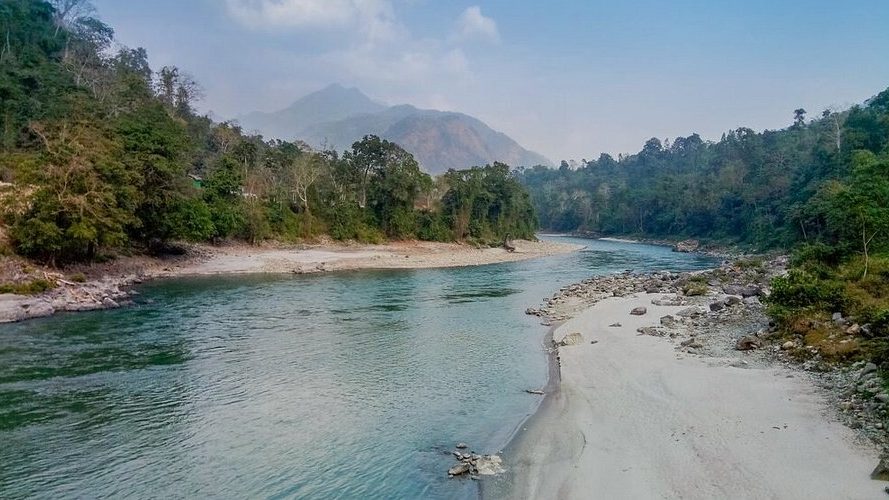
Gelephu is a major gateway to Bhutan’s oldest national park. This is where you go for a true Himalayan safari. It is one of the few places on Earth where you can find the Golden Langur.
You might also spot Bengal tigers, Asian elephants, and one-horned rhinoceroses. It is home to over 360 bird species, including the spectacular Great Hornbill.
3. Nyimalung Dratshang
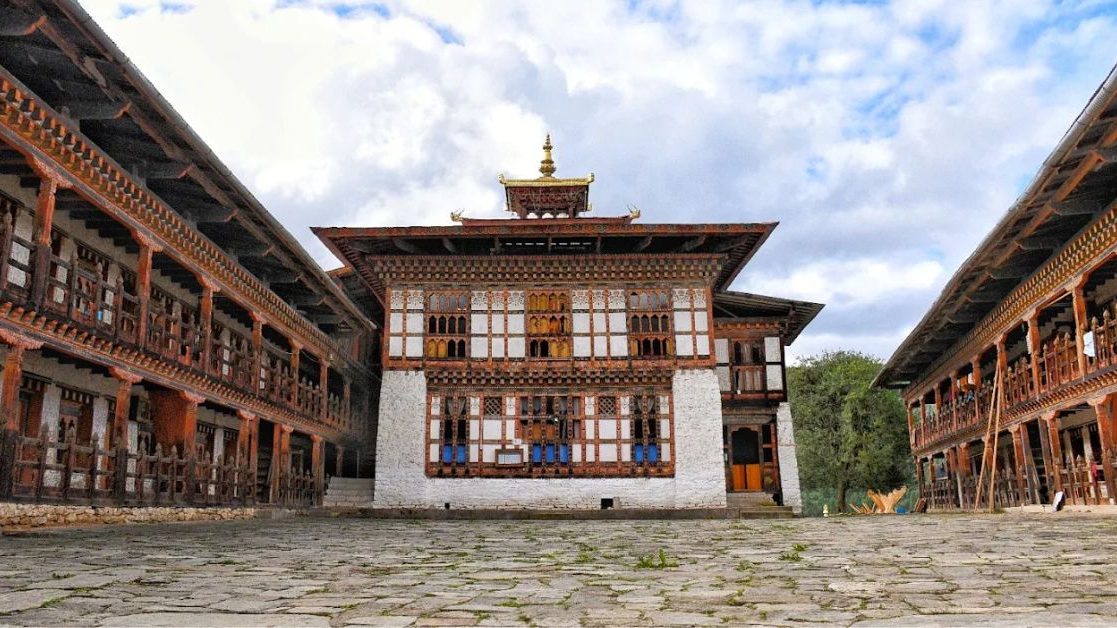
This is the winter residence for the monks of the famous Nyimalung Monastery in Bumthang. It is a peaceful complex located just a few kilometers from the town center, featuring a massive statue of Buddha and a large prayer wheel.
4. Tali Dratshang
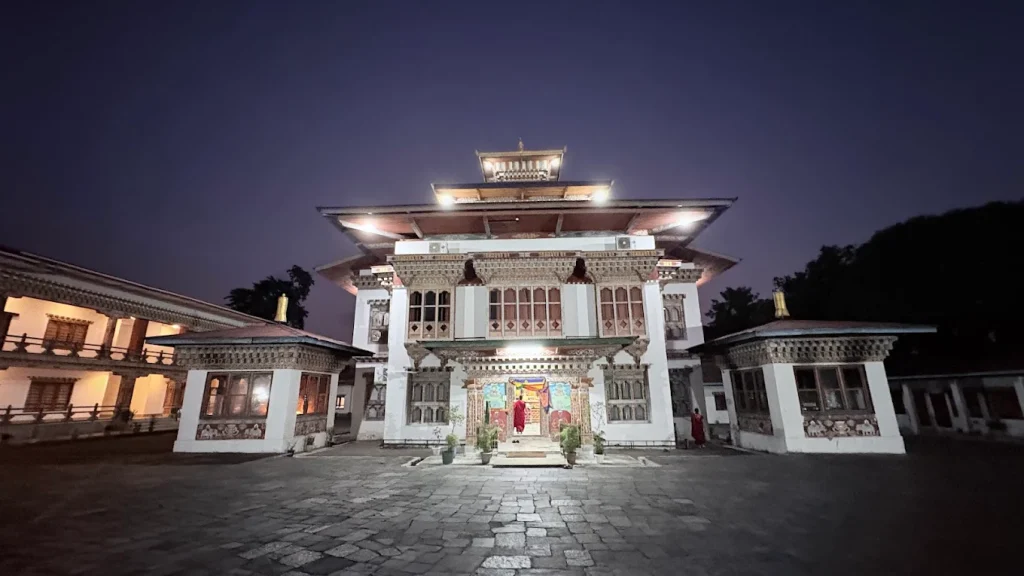
Perched about 10 minutes from town, this monastery offers a beautiful view of the Gelephu plains. It is an important religious center for the local community and a great place to witness morning or evening monastic rituals.
5. Gelephu Mindfulness City (GMC)
It is a massive, visionary project that is currently transforming the southern landscape of Bhutan. Officially announced by His Majesty the King in December 2023, it is not just a city. It is a Special Administrative Region (SAR) designed to be a global hub for wellness, sustainability, and innovation.
Imagine a city the size of Singapore (approx. 1,000 km2) where every street, bridge, and building is designed to foster peace of mind and harmony with nature.
The Vision – A “Mandala” City
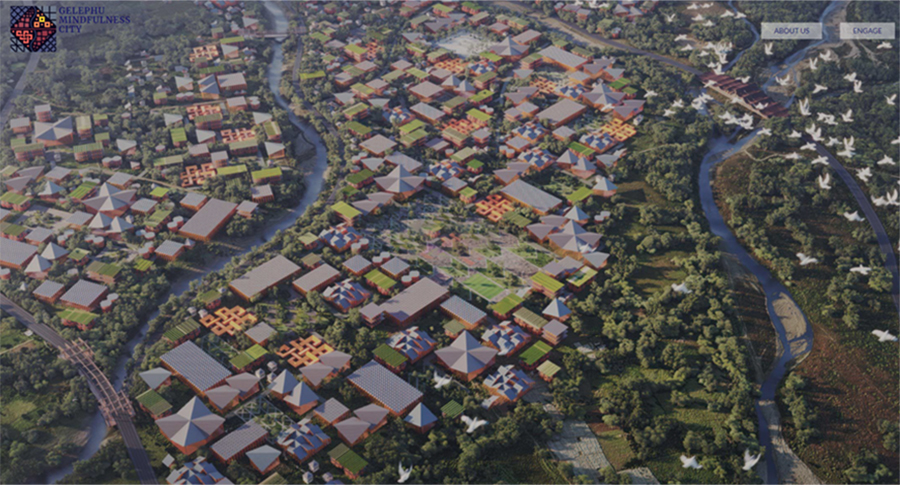
The city is designed by the world-renowned Bjarke Ingels Group (BIG). Instead of a traditional grid, the layout is inspired by the Mandala:
- 11 Neighborhoods: The city is divided into eleven distinct neighborhoods, each flowing like “ribbon-like” terraces from the northern highlands down to the southern plains.
- 35 Rivers & Streams: The entire city is shaped by the waterways that run through it. Rather than building over them, the design uses these rivers as natural parks and “biodiversity corridors” for wildlife (like elephants) to pass through safely.
The Iconic “Inhabitable Bridges”
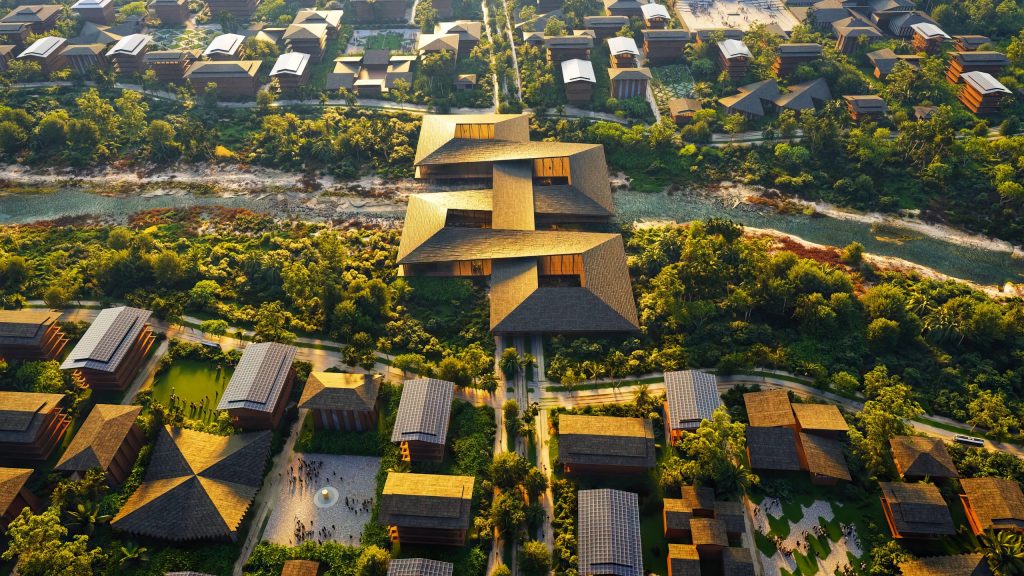
This is perhaps the most famous feature of GMC. The city’s different sectors are connected by massive, multifunctional bridges that are destinations in themselves. Each bridge is dedicated to one of the nine domains of Gross National Happiness:
- The Spiritual Bridge: A Vajrayana meditation center that literally “floats” over the river.
- The Airport Bridge: The terminal for the new international airport will function as a bridge, with the runway raised above several rivers.
- The Healthcare Bridge: A center where Eastern traditional medicine (Sowa Rigpa) meets Western medical science.
- Other Bridges: Will house a university, a cultural center, a traditional market, and even a hydroponic greenhouse.
The “Temple-Dam” (Sankosh)
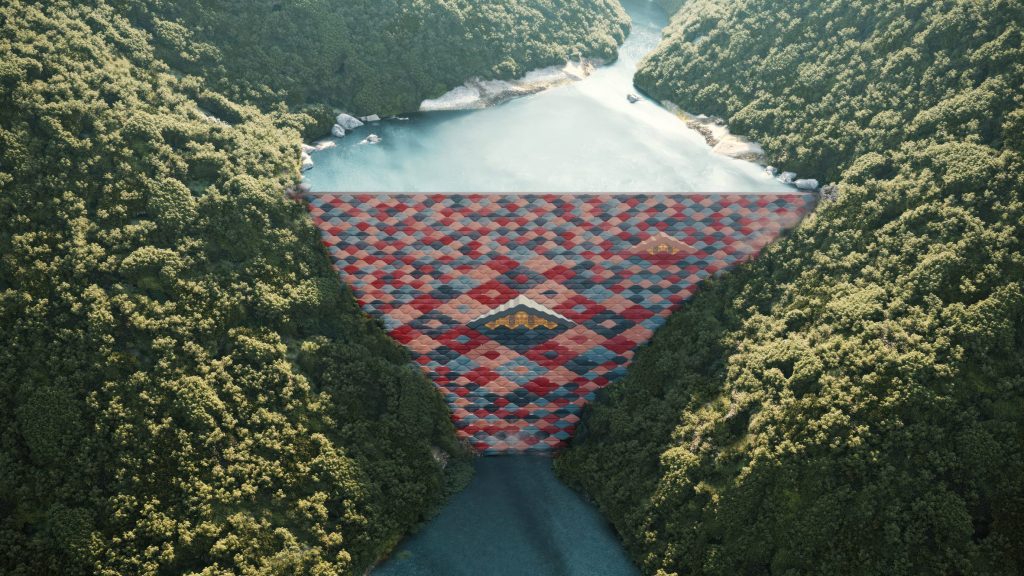
On the western border, a massive hydroelectric dam is being constructed that doubles as a Buddhist Temple.
- Design: It looks like a “man-made cliff” with cascading staircases and landings.
- Purpose: It generates clean energy while offering viewpoints and meditative walkways, symbolizing that technology and spirituality can coexist.
A Digital & Sustainable Frontier
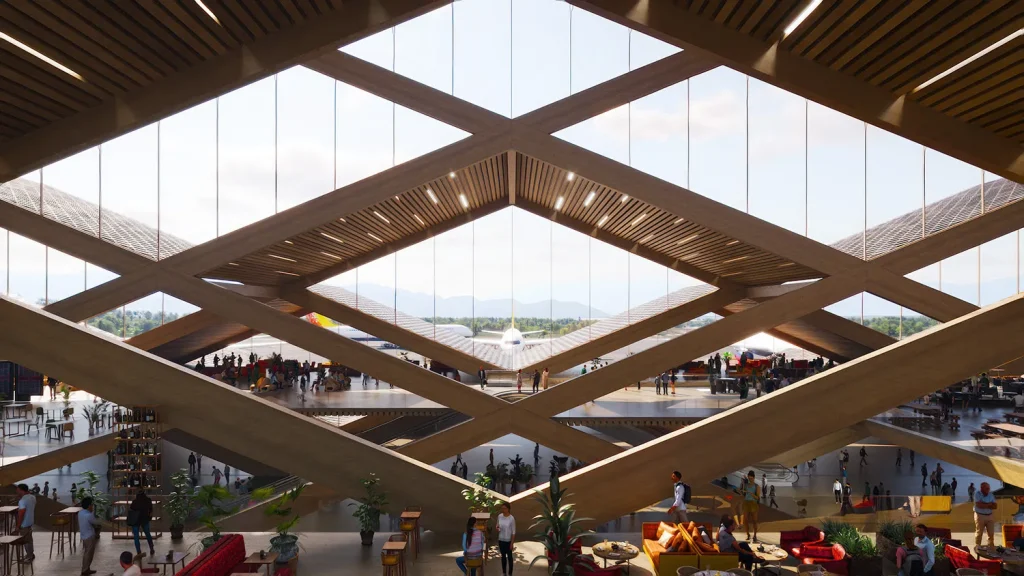
GMC is designed to be the “Silicon Valley of the Himalayas,” but with a soul:
- Blockchain & AI: Bhutan is integrating its national digital identity and Bitcoin reserves to fund the city’s development.
- Carbon Negative: The city will use structural wood, bamboo, and local stone, staying true to Bhutan’s carbon-negative status.
- Mindful Governance: It will have its own legal and business framework, separate from the rest of the country, to attract global talent and green technology companies.
Can you visit it now?
Yes! While much of the grand infrastructure (like the “inhabitable bridges”) is currently under construction, you can already visit Gelephu to see the progress.