

Planning a trip to Bhutan? Understanding the seasons of Bhutan is the key to choosing the best time to visit Bhutan. It is a land where nature, culture, and spirituality shift beautifully with the seasons. Each time of year offers a distinct experience—from vibrant festivals and crystal-clear mountain views to lush green valleys and serene winter monasteries. Choosing the right season depends on how you wish to experience Bhutan, and we are here to guide you every step of the way.
Bhutan changes its soul with every season – spring blossoms awaken ancient valleys, summer rains paint forests emerald green, autumn skies frame golden monasteries, and winter whispers serenity in snow-dusted mountains.
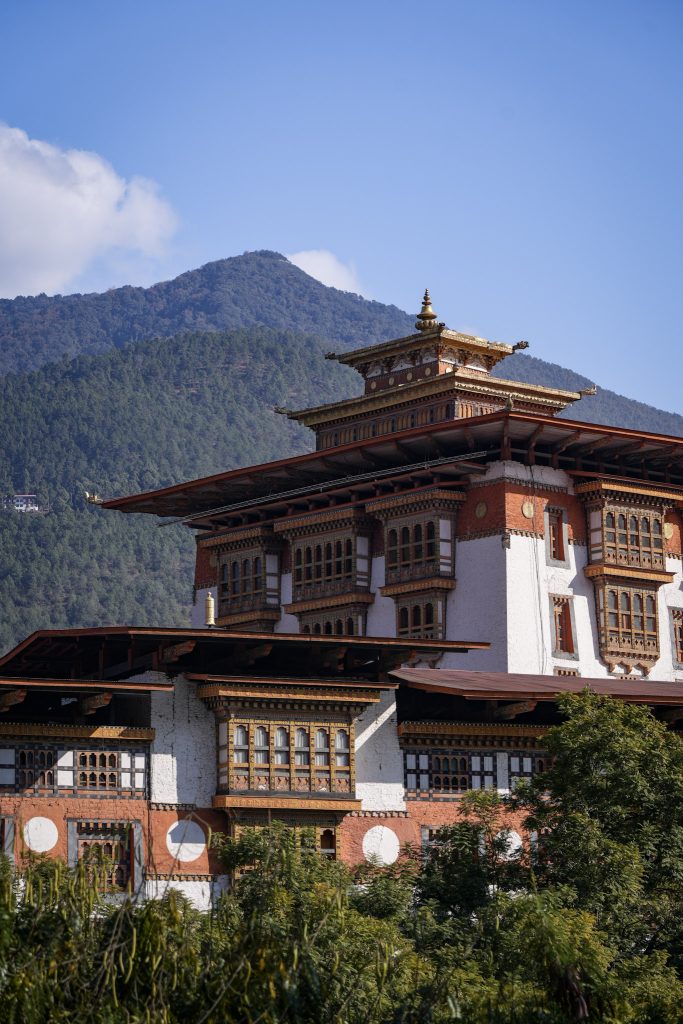
Bhutan at a Glance
Bhutan experiences four distinct seasons, each shaping the landscape and travel experience differently:
| Season | Months | Weather | Best For |
|---|---|---|---|
Winter | Dec–Feb | Cold but dry | Quiet cultural immersion and snow-capped views |
| Spring | Mar–May | Mild, blooming | Flowers, festivals, and pleasant weather |
| Summer | Jun–Aug | Monsoon | Lush greenery, fewer crowds, spiritual calm |
| Autumn | Sep–Nov | Clear skies | Clear skies, peak trekking, major festivals |
Spring in Bhutan (March – May): Season of Blossoms
Spring is when Bhutan breathes color—perfect for first-time visitors.
Spring is one of the most beautiful times to visit Bhutan. Valleys come alive with blooming rhododendrons, magnolias, and wildflowers, while the weather remains comfortably mild.
Why visit in spring?
- Pleasant temperatures (10°C–25°C)
- Blooming landscapes and clear mountain views
- Ideal for sightseeing, photography, and festivals
Key festivals to highlight:
- Paro Tshechu
- Punakha Drubchen & Tshechu
Summer in Bhutan (June – August): The Hidden Green Season
This is Bhutan for travellers who want authenticity, not crowds
Often overlooked, summer reveals a quieter, deeply authentic side of Bhutan. Monsoon rains nourish forests and rice fields, transforming the country into a lush green paradise.
Why tourists underestimate it (and why they shouldn’t):
- Monsoon brings vibrant greenery
- Fewer tourists = more intimate experiences
- Ideal for cultural tours and spiritual retreats and slow travel
- Dramatic landscapes, waterfalls, and vibrant valleys
Things to note:
- Rainfall varies by region
- Eastern and central Bhutan is especially rewarding
Autumn in Bhutan (September – November): Peak & Perfect
Autumn showcases Bhutan at its most iconic.
Autumn is widely considered the best season to visit Bhutan. Clear blue skies, pleasant weather, and Bhutan’s most important festivals make this the peak travel period.
Why it’s considered the best time:
- Crystal-clear skies and exceptional visibility of Himalayan peaks
- Comfortable temperatures
- Best trekking and outdoor conditions
- Major cultural festivals across the country
Major festivals:
- Thimphu Tshechu
- Wangdue Tshechu
- Jambay Lhakhang Drup
Winter in Bhutan (December – February): Quiet & Cultural
Winter reveals Bhutan’s stillness—the season of reflection
Winter in Bhutan is calm, clear, and deeply spiritual. Snow dusts high mountains while lower valleys remain accessible, offering peaceful cultural experiences.
Why it’s magical:
- Snow-capped mountains
- Clear skies, crisp air and peaceful monasteries
- Fewer tourists
Highlights:
- Black-necked crane migration in Phobjikha Valley
- Winter festivals and traditional ceremonies
Honest notes:
- High passes may close
- Cold nights, warm days
Plan Your Bhutan Journey
No matter when you choose to visit, Bhutan offers something extraordinary. Let us help you decide the best season for your interests, travel style, and expectations.
We don’t just plan trips—we match you with the right season of Bhutan
Contact us today to customize your Bhutan experience.