

Wangdue Phodrang (often shortened to “Wangdi”) is one of the largest and most ecologically diverse districts in Bhutan. It is a place of dramatic contrasts, ranging from the warm, cactus-dotted river valleys of the south to the high, glacial meadows of the Phobjikha Valley (also known as Gangtey).
The Most Famous Landmarks
1. Wangdue Phodrang Dzong
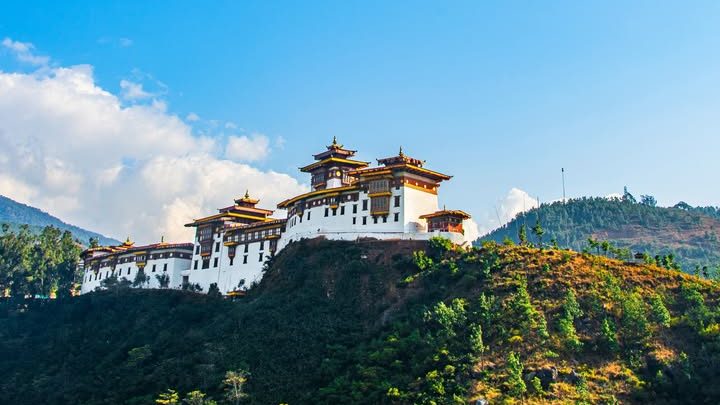
Perched atop a ridge like a “sleeping elephant,” this 17th-century fortress was founded by Zhabdrung Ngawang Namgyal. After a tragic fire in 2012, it has been painstakingly restored to its original splendor.
2. Rinchengang Village
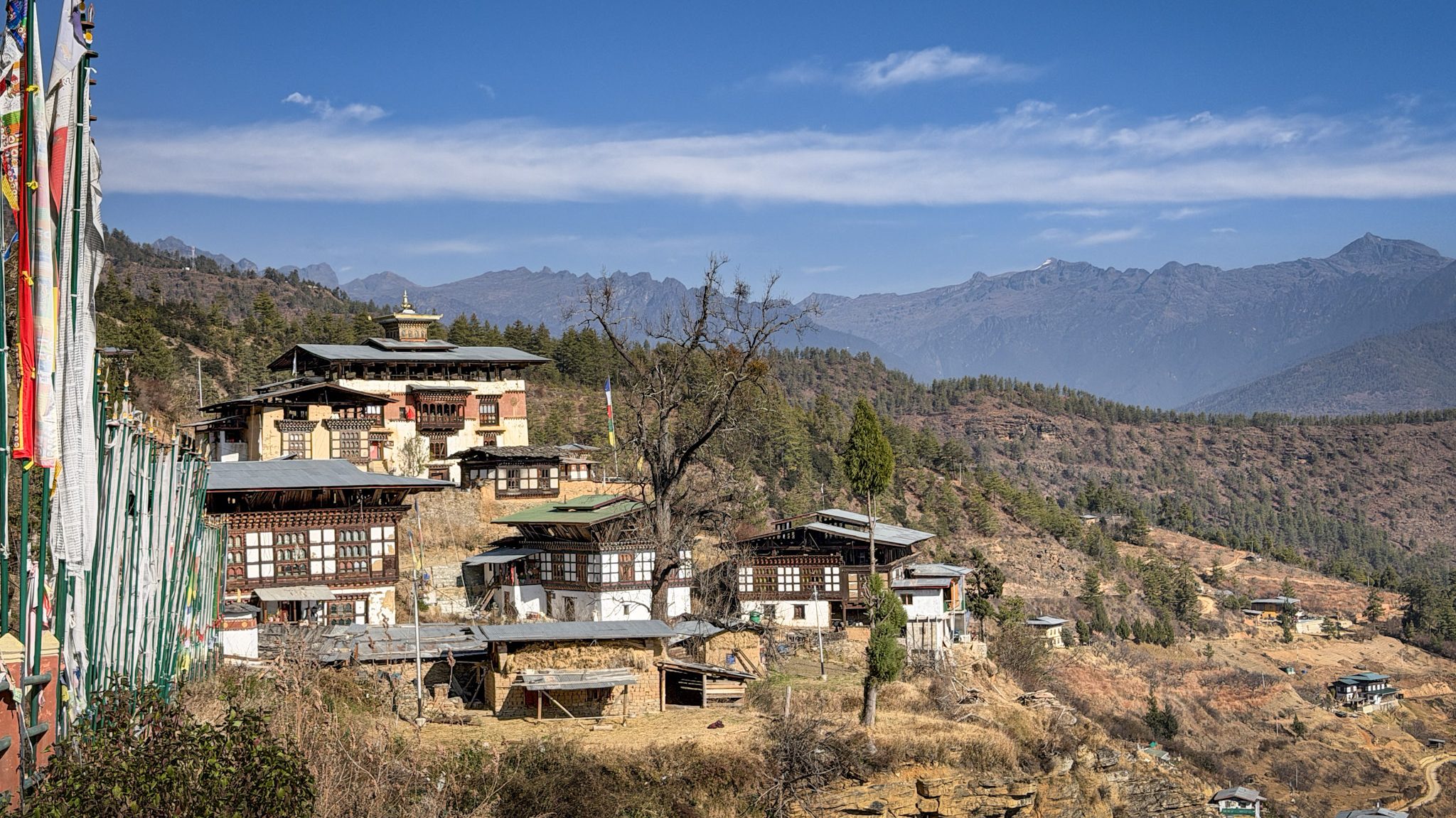
A unique, clustered village located just across the river from the Dzong. It is famous for its master stonemasons who originally helped build the Dzong and have preserved their traditional mud-house architecture for centuries.
3. Gangtey Monastery (Gangtey Goenpa)
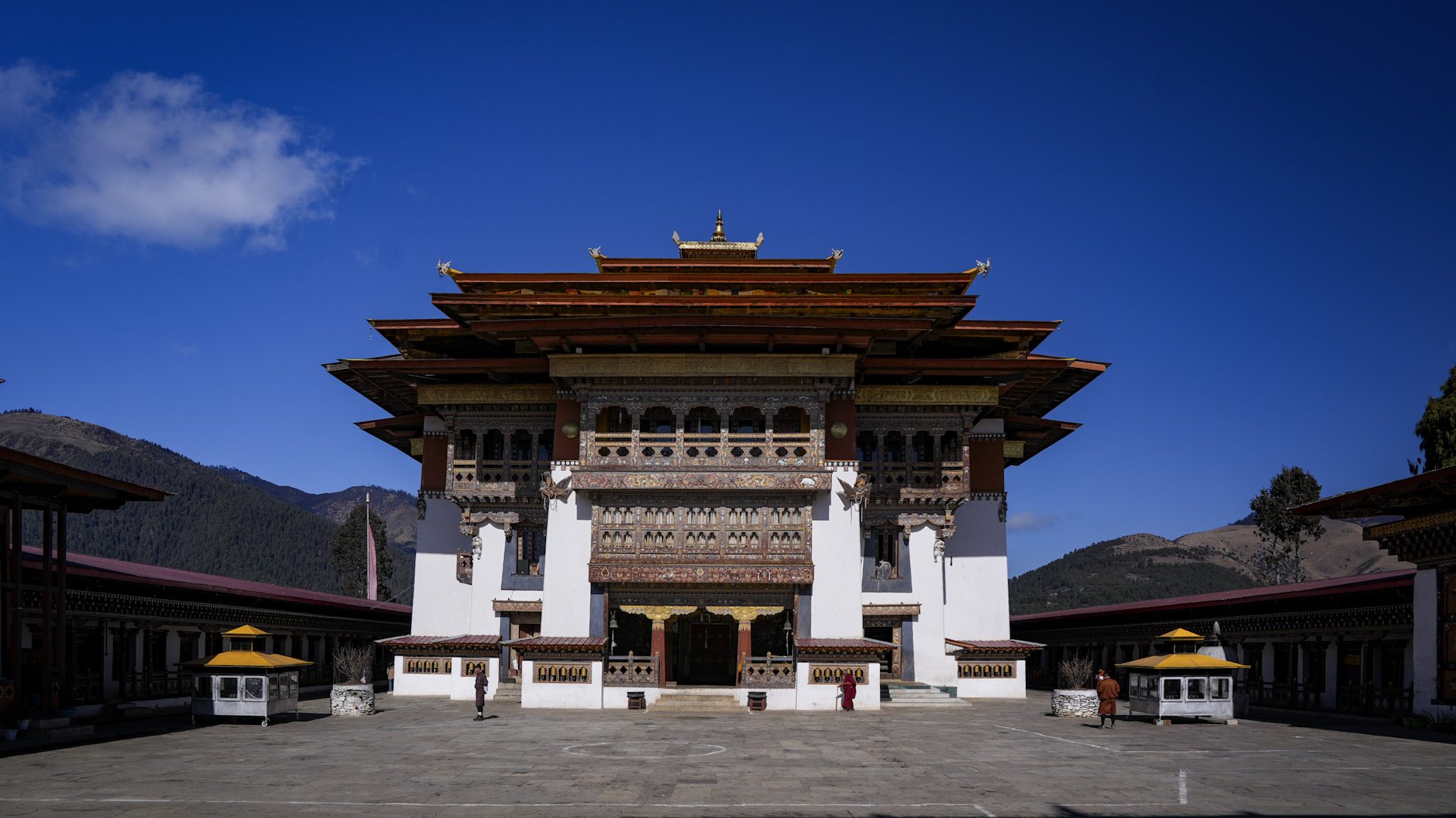
This is the only Nyingmapa monastery on the western side of the Black Mountains. It sits on a forested hill overlooking the entire valley. The monastery is famous for its intricate woodwork and for being the seat of the Pema Lingpa lineage.
4. The Black-Necked Cranes

Phobjikha is the winter home for the rare and endangered Black-Necked Cranes, which migrate from the Tibetan Plateau every year (typically late October to February.
5. The Gangtey Nature Trail
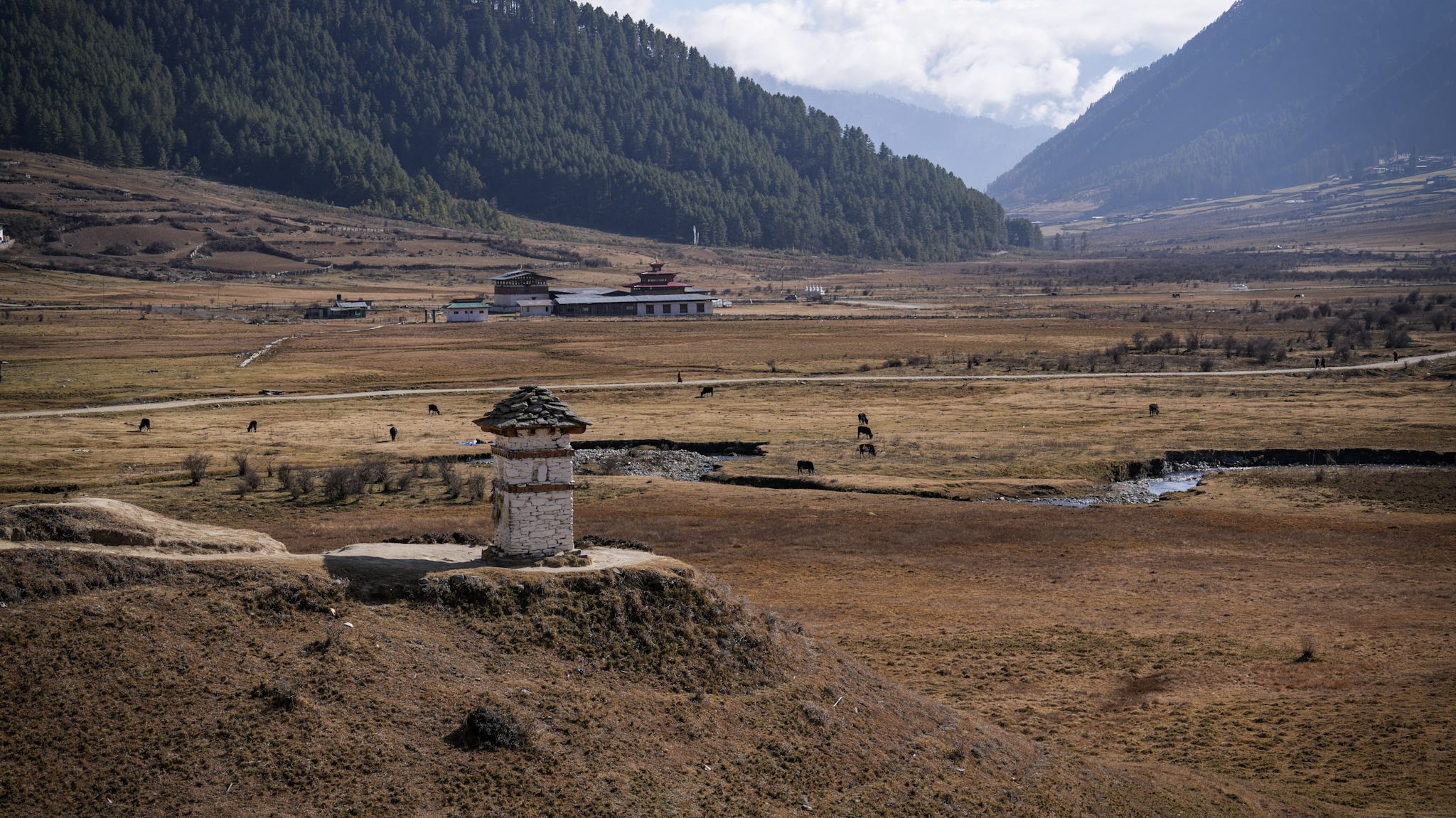
This is one of the most beautiful and easiest hikes in Bhutan. It’s a 1.5-hour walk that starts from the monastery and winds down through flower meadows and pine forests, ending in the open marshlands where the cranes roost.
Special Event in Wangdi
1. Wangdue Tshechu
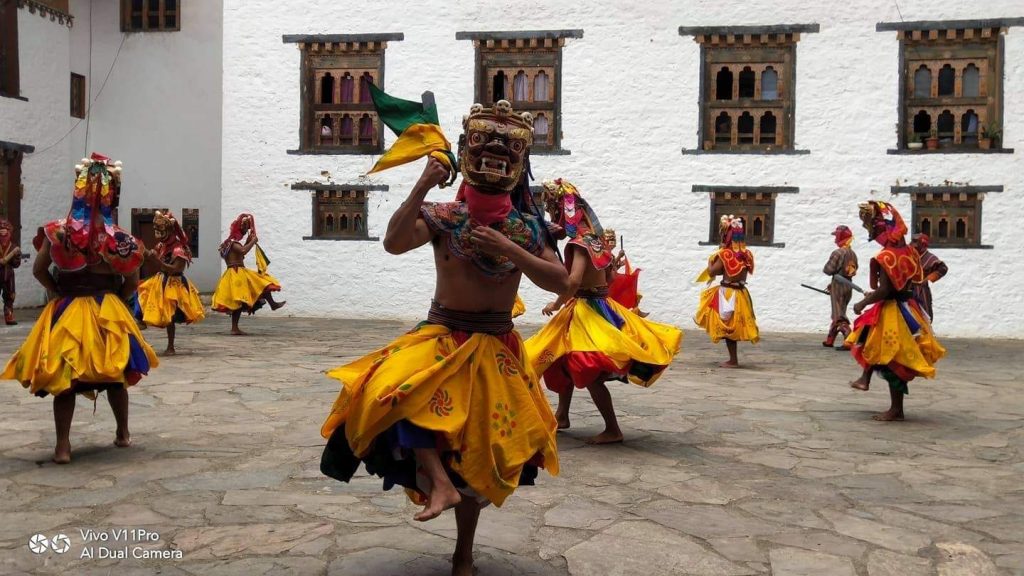
A vibrant festival known for the Lozeys (traditional ornamental speeches) and mask dances.
2. Crane Festival (November 11, 2026)
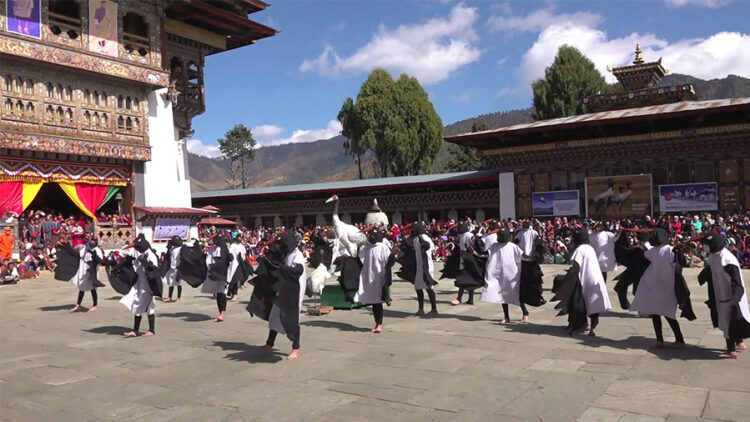
It is held in the courtyard of Gangtey Monastery.
3. Gangtey Tshechu
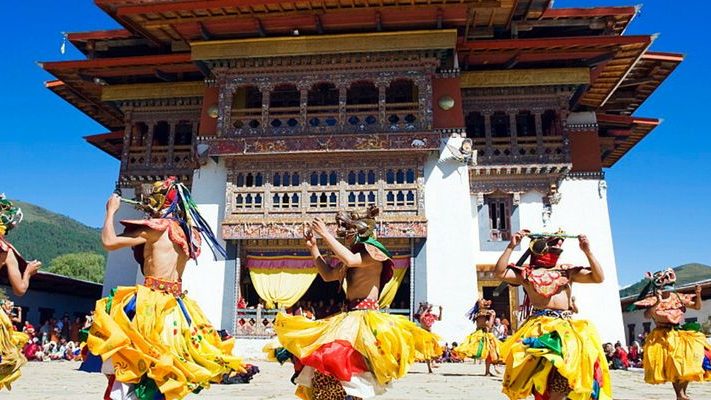
Because it takes place in a remote glacial valley, this festival has a much more intimate, village feel than the ones in Paro or Thimphu. The dances follow the Peling tradition (lineage of the treasure-discoverer Pema Lingpa).